
Most apartment tour checklists treat pest control like a throwaway line. “Ask about pest control.” Check the box. Move on to parking.
That’s fine if you’re apartment hunting in Minneapolis.
In Austin? Pest control is a livability issue. I’ve toured my fair share of places across this city and I’ve seen which properties have German roach problems. I know which ones sit on creek corridors where the big roaches come in every spring. And I know which management companies actually spray monthly versus the ones that do it twice a year and call it good.
The advice you’ll find online, “ask if they have pest control,” is useless if you don’t know how to read the answers. A leasing agent saying “we have quarterly service” sounds professional. But if you’re looking at a first-floor unit in a 1982 garden-style complex next to Williamson Creek, quarterly isn’t going to cut it.
I’ll break down the exact questions to ask, what the answers actually mean, and how to spot pest red flags during your tour before you sign anything.
Why Pest Control Questions Matter More in Austin
Austin never gets cold enough to kill the bugs. Roaches are active twelve months a year. Fire ants are most visible in spring and fall, but they’re down there year-round. Scorpions show up near greenbelt areas mostly in summer, peaking July and August.
And here’s the part that makes apartments different from houses: shared walls, connected plumbing, and ventilation systems give bugs a highway between units. A German roach colony in unit 204 becomes unit 206’s problem within weeks. Your neighbor’s habits affect whether you get bugs. And there’s nothing you can do about that except pick a property that takes pest control seriously.
Austin’s geography makes it worse. This city is built around creeks: Shoal Creek, Waller Creek, Williamson Creek, Onion Creek, Bull Creek. Properties within a few hundred yards of these waterways deal with big roaches coming in from storm drains and creek banks, especially in older buildings where the foundation isn’t sealed tight. That’s not a maintenance failure. That’s geography. But how a property responds to it tells you everything about whether you’ll be comfortable living there.
Building age matters too. A 2023 concrete mid-rise built tight with a pest control program deals with bugs differently than a 1978 complex with wood siding and crawl spaces. Both can be great places to live. But the questions you need to ask at each are completely different.
The Questions to Ask — And What the Answers Actually Mean
Here’s what I tell clients before every tour: don’t just ask pest control questions. Listen to how the leasing agent answers them. Vague responses, deflections, and “I’m not sure, I’d have to check” about basic stuff like pest control tell you the property doesn’t prioritize it.
And here’s a tip most people miss: talk to the maintenance team, not just leasing. Leasing agents are trained to sell. Maintenance techs know which buildings get the most pest calls and which units are repeat problems. If you see a maintenance person on the property during your tour, a casual “how’s the pest situation here?” will get you a straighter answer than anything coming from the leasing office.
I had a client last year who was ready to sign at a property where the leasing agent described their pest control as “excellent.” She happened to catch a maintenance tech in the parking lot who told her they’d been fighting German roaches in two buildings for six months. She toured elsewhere. That five-minute conversation saved her from a year of headaches.
Question 1: “How often does your pest control company treat the property?”
Why you’re asking: How often they spray tells you more about a property’s pest control than anything else they’ll say on the tour.
Green flag: “We have monthly interior and exterior service through [named company]. Common areas are treated weekly. Residents can request additional treatments at no charge.” That’s a property that actually cares about keeping bugs out.
Red flag: “We spray quarterly” or “We treat as needed.” Quarterly is the bare minimum, and “as needed” usually means they wait until someone complains. With the bugs we get in Austin, monthly is what you should expect at any well-run property.
Question 2: “What type of roaches have residents reported, German or American?”
Why you’re asking: This is the question most renters never think to ask, and it’s the most important one. German roaches and American roaches are completely different problems.
German roaches are small (half-inch), light brown, and live inside the building. They breed fast, spread through the walls and plumbing, and mean you’ve got a real problem that’s hard to get rid of. If a property has a German roach issue, that’s a serious red flag. I wrote a full guide on how to get rid of roaches in Austin apartments that covers what works and what doesn’t.
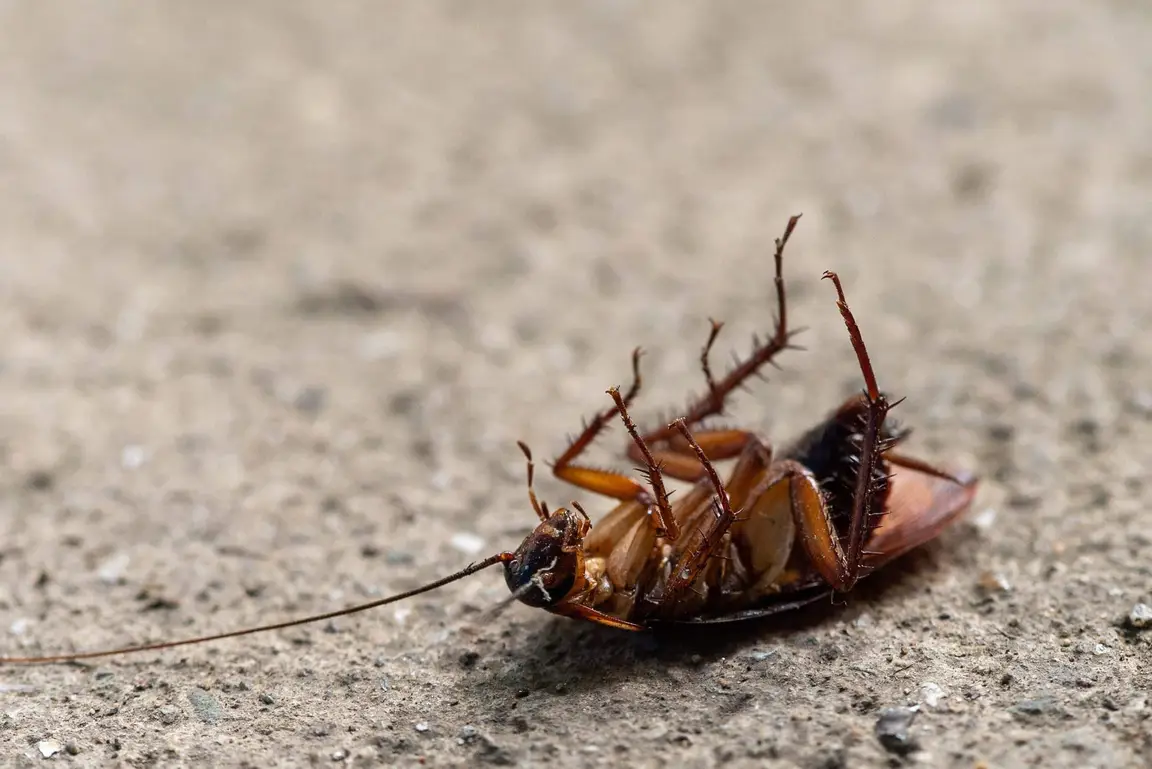
American roaches are big (up to 2 inches), reddish-brown. Texans call them “water bugs” or “palmetto bugs.” They live outside and come in from creek beds, storm drains, and landscaping. Near Austin’s waterways, you’ll see them occasionally even in well-maintained buildings. That’s manageable with good perimeter treatment, not a dealbreaker.
Green flag: The leasing agent knows the difference and can speak to it directly. “We mostly see the big outdoor ones near the creek. Our pest company does perimeter treatment monthly to keep them out.”
Red flag: “We don’t have a roach problem.” Every property in Central Texas deals with roaches to some degree. If they deny it entirely, they’re either uninformed or not being straight with you.
Question 3: “Is pest control included in my rent, or is there an additional fee?”
Why you’re asking: Some properties cover pest control in your rent. Others charge a monthly “pest control fee” of $5–$15 on top of rent. A few make it entirely your responsibility once you sign the lease.
Green flag: Included in rent with no additional charge, and residents can request extra treatments as needed.
Red flag: “Pest control is the resident’s responsibility.” In Texas, your landlord is legally required to keep the place livable. A property that pushes all pest control onto tenants is cutting corners.
Question 4: “Is this property near a creek, drainage area, or greenbelt?”
Why you’re asking: Nothing drives bug problems at an Austin apartment more than being near water. Properties near Shoal Creek, Waller Creek, Williamson Creek, Onion Creek, and Bull Creek corridors deal with more big roaches, more mosquitoes, and occasional rats coming from the creek.
This isn’t a reason to avoid creek-adjacent properties. Some of Austin’s best apartments back up to greenbelts. But you need to know what you’re getting into so you can judge whether the property’s pest program matches the environment.
Green flag: “Yes, we’re near [creek name]. Our pest company does extra perimeter treatment because of that, and we treat storm drain access points monthly.”
Red flag: The leasing agent doesn’t know, or dismisses the question. If a property sits 200 yards from a creek and the staff can’t tell you how they deal with the bugs that come with it, that’s a management gap.
Question 5: “What’s the process if I have a pest issue in my unit after I move in?”
Why you’re asking: How fast they send someone out matters just as much as prevention. You want to know: How do I report it? How fast does someone come? Do I need to be home? Is there a charge?
Green flag: “Put in a maintenance request through our portal or call the office. Our pest control company typically responds within 48 hours. No charge for standard treatments.”
Red flag: “You’d need to call a pest company yourself and we can reimburse you.” That’s a property without a pest control contract. Not a good sign.
Question 6: “Has this specific unit or building had any pest issues in the past 12 months?”
Why you’re asking: This is a direct question, and the answer (or the dodge) tells you a lot. Texas law doesn’t require landlords to tell you about past pest problems. But most reputable properties will answer honestly if you ask.
Green flag: Honest response with context. “Building 3 had a German roach issue last spring. We brought in a specialty company, treated every unit in the building, and it’s been clear since.”
Red flag: “No, never.” A property that tells you they’ve never had a single bug issue in Austin? They’re either brand new or not being straight with you.
Question 7: “Are your pest treatments safe for pets? Do I need to remove my dog or cat during service?”
Why you’re asking: If you have pets, and a lot of Austin renters do, some of the stuff they spray can hurt animals. Dogs can chew on bait stations placed at floor level. Cats can get sick from certain sprays that are fine for dogs. Birds and reptiles are especially at risk.
Green flag: “Our pest company uses products that are safe for pets. We’ll notify you before treatment so you can crate your pet or keep them out of treated areas until things dry, usually about 30 minutes.”
Red flag: “I’m not sure what products they use.” If the property can’t tell you whether their treatments are safe for your pets, they either don’t know their pest company well or haven’t thought about it. Neither is reassuring.
| Question | Green Flag Response | Red Flag Response |
|---|---|---|
| How often they spray | Monthly service, named pest company, free resident requests | Quarterly or “as needed,” no named company |
| Roach type reported | Knows the difference, speaks to perimeter vs. interior treatment | “We don’t have roaches” or doesn’t know |
| Pest control cost | Included in rent, no extra fee | Resident’s responsibility or surprise monthly fee |
| Creek/greenbelt proximity | Knows the geography, has stepped-up treatment plan | Doesn’t know or dismisses the question |
| After you move in | Portal/phone reporting, 48-hour response, no charge | “Call a company yourself” |
| Unit/building pest history | Honest answer with context and resolution | Blanket denial of any pest history |
| Pet safety during treatment | Uses products safe for pets, notifies before service | Doesn’t know what products are used |
Austin’s Pest Calendar: What’s Active When You’re Touring
Touring in January? The property’s going to look clean. But that doesn’t tell you what July looks like.
When you tour affects what you’ll see and what you won’t. A winter tour won’t show you the roach problems that hit in July. A summer tour won’t tell you about the scorpions that quiet down by November.
Here’s what’s active in Austin by season:
| Season | Primary Pests | What This Means for Your Tour |
|---|---|---|
| Winter (Dec–Feb) | American roaches (reduced), rodents seeking warmth, occasional spiders | Lowest visible bug activity. Ask about summer. What you can’t see now might be a problem in June. |
| Spring (Mar–May) | Fire ants, American roaches increasing, termite swarms, mosquitoes near water | Fire ant mounds in landscaping and near walkways are visible. Check exterior grounds carefully. |
| Summer (Jun–Aug) | German and American roaches peak, scorpions (near greenbelt), mosquitoes, gnats | Peak bug season. If the unit looks clean now, the property’s doing something right. If you see activity, it’ll only get worse. |
| Fall (Sep–Nov) | Fire ants (second peak), roaches declining, spiders, rodents starting to move indoors | Watch for spiders in corners and around exterior lighting. Rodent activity starts as temperatures drop. |
Here’s the thing most tour guides won’t mention: if you’re touring in December and the property looks pristine, that doesn’t mean it’s bug-free. It means bugs are less active. Ask specifically about summer months. “What does your pest situation look like in July and August?” That question catches leasing agents off guard, and the ones at well-managed properties will have a real answer.
What to Look For During the Tour Itself
Questions get you part of the picture. Your eyes get you the rest.
I’ve walked through apartments where the leasing agent swore pest control was top-notch, and I could see roach droppings behind the toilet. So yeah, look around. Here’s what to check during your walkthrough:
Inside the unit:
- Open the kitchen cabinets and look along the back edges and hinges. Small dark spots (roach droppings) or egg casings are immediate red flags.
- Get under the kitchen and bathroom sinks. Look for gaps around pipes where they come through the wall. Those gaps are how roaches travel between units.
- Run your eyes along the baseboards, especially in the kitchen and bathroom. Gaps between the baseboard and the floor let bugs get in from inside the walls.
- Window seals and sliding door tracks are worth checking too. Gaps in weather stripping let in everything from ants to scorpions.
- Don’t skip the closets, especially on the first floor. Spider webs in corners are normal. Thick webbing with egg sacs suggests the unit hasn’t been sprayed recently.
Common areas and exterior:
- Walk past the trash compactor or dumpster area. Overflowing dumpsters, grease buildup, or standing liquid around the compactor attract roaches and rodents. A clean trash area means the property’s on top of things.
- Check the laundry room. Warm, humid, dark: laundry rooms are pest magnets. Look under and behind machines if accessible.
- Look at the building’s exterior foundation. Visible cracks or gaps in the slab, especially on older properties, are entry points.
- Notice the landscaping. Mulch piled against the building, overgrown shrubs touching the walls, and standing water anywhere nearby all make bug problems worse.
| What to Inspect | What You’re Looking For | What It Means |
|---|---|---|
| Kitchen cabinets (back edges, hinges) | Small dark spots, egg casings | Active or recent roach activity |
| Under sinks (kitchen and bath) | Gaps around pipes coming through walls | Bugs can travel between units |
| Baseboards (kitchen, bath) | Gaps between baseboard and floor | Bugs getting in from inside the walls |
| Window seals, sliding door tracks | Broken weather stripping, gaps | Ants, roaches, and scorpions can get in |
| Closet corners (first floor) | Dense spider webs with egg sacs | Unit hasn’t been sprayed recently |
| Dumpster/trash compactor area | Overflow, grease, standing liquid | Property-wide cleanliness issue |
| Building foundation (exterior) | Cracks, gaps in slab | Bugs can get in from outside |
| Landscaping near building | Mulch against building, standing water | More bugs around the building |
How Building Age and Style Affect Your Pest Risk
Not all Austin apartments carry the same pest risk. So what changes the equation? Building type. It matters more than most renters realize, and it’s something I watch closely when I’m helping someone find a place.
Garden-style (1970s–1990s, typically 2–3 stories, wood frame): These are Austin’s most common apartment type by unit count. Wood siding, crawl spaces, mature landscaping. They’re comfortable and often well-located, but bugs have more ways to get in compared to newer construction. Many of Austin’s apartments under $1,000/month fall into this category.
First-floor units in older complexes near creeks? That’s where you’re going to see the most bugs. That doesn’t mean avoid them. It means ask harder questions about how often they spray and make sure the property does it at least monthly. And if your credit score limits you to older properties, pest questions become even more important during your tour.
Mid-rise wrap (2000s–2015, typically 4–5 stories, wood over concrete podium): The concrete base helps keep bugs out on upper floors. But the wood-frame upper stories still share walls and plumbing between units. German roaches can get through the whole building this way. Upper floors (3rd+) tend to see way less bug activity than the first and second floors. So if pests are a concern, ask about upper-floor availability.
Here’s a rough benchmark from my tours: units on the bottom floor of older complexes see roughly three to four times the bugs that third-floor units in the same building deal with. That gap shrinks in newer construction, but it doesn’t disappear.
Podium/high-rise (2015+, concrete and steel construction): These buildings are sealed up tight. Newer plumbing, fewer gaps, and pest control built into how they run the property. You’ll see the fewest bugs here. Not zero. German roaches can still come in on deliveries, luggage, or used furniture. But there aren’t many ways for them to get in on their own. If pest control is a top concern and your budget allows it, newer concrete construction is your safest bet.
Near a creek or greenbelt: Any building near a creek sees more bugs. A 2022 concrete building on Barton Springs Road still gets more big roaches coming in from the creek than an identical building on Burnet Road. Factor the environment, not just the building.
| Building Type | Typical Pest Risk | Primary Concern | Minimum Service You Should Expect |
|---|---|---|---|
| Garden-style (pre-1995) | High | American + German roaches, fire ants, termites, rodents | Monthly interior and exterior treatment |
| Mid-rise wrap (2000–2015) | Moderate | German roaches through shared walls/plumbing, ants on lower floors | Monthly or bi-monthly service |
| Podium/high-rise (2015+) | Lower | Occasional roaches from deliveries, few ways in from outside | Quarterly with on-demand requests |
| Any type near creek/greenbelt | +1 risk level | American roaches, mosquitoes, occasional rodents/scorpions | Monthly minimum, extra perimeter treatment |
If you’re not sure about a property’s building age, ask during the tour. “What year was this property built?” is a perfectly normal question, and it tells you a lot about what to expect on the pest front.
Have questions about specific properties? Call me at 512-320-4599. I can tell you what I’ve seen at most Austin communities firsthand.
What Your Lease Should Say About Pest Control
Most renters skim their lease for the rent amount and move-in date. Don’t do that. The pest control language buried in those pages can come back to bite you (no pun intended). Here’s what to look for.
Landlord vs. tenant responsibility: Texas Property Code § 92.052 says landlords have to keep the place in livable condition. Bugs that are making the unit unhealthy or unsafe? That’s on the landlord. But a lot of leases include language that shifts some responsibility to you, especially if the bugs are there because of something you did (leaving food out, not taking out trash, bringing in furniture that had bugs in it).
Read the lease carefully. If it says pest control is “entirely the tenant’s responsibility,” that’s a red flag. Good management companies cover pest control as part of running the building.
Bed bug addendum: Most Austin apartment leases include a separate bed bug addendum. Per TexasLawHelp.org’s bed bug fact sheet, you’ll be asked to confirm the unit has no bed bugs when you move in and to report any bed bug activity right away. Pay attention to this one. The addendum decides who pays for treatment. If you sign it saying the unit was clean and then find bed bugs two months later, the landlord may say you brought them in.
Before signing: inspect the unit yourself during your tour. Check mattress seams (if a model unit has furniture), outlet cover edges, and baseboards in the bedroom. And note the unit’s condition on your move-in inventory form.
Document pest-related conditions on your move-in inventory: Most renters use the inventory form to note scuffs on walls and carpet stains. Go further. Write down gaps around pipes under sinks, stains near baseboards that look like they’ve been sprayed before, dead bugs in cabinets or window tracks, and whether weather stripping is intact on exterior doors. Take photos with timestamps. If a pest dispute comes up six months into your lease, this documentation is the difference between “you brought those roaches in” and “the building had gaps around every pipe when I moved in.”
What to push back on: If the lease says you’re responsible for all pest control costs regardless of cause, ask them to change it. Texas law says landlords can’t dodge responsibility for infestations affecting the whole building or caused by structural problems. A lease clause doesn’t override that. But vague language makes disputes harder to win if it comes down to it.
If Pest Control Fails After You Move In: What to Do Next
Even at well-managed properties, bugs happen. Here’s the process that actually gets results, because calling the office once and hoping for the best usually doesn’t cut it.
Step 1: Document first. Before you contact anyone, take photos and videos of what you’re seeing. Include the date, time, where in the unit, and the type of bug if you can tell. A photo of three German roaches under your kitchen sink carries more weight than “I saw some bugs.”
Step 2: Put in a written maintenance request. Use the property’s portal, email, or even a text. Whatever creates a paper trail. Don’t just call. Verbal complaints are easy to forget or deny. Written requests create a timeline.
Step 3: Follow up in writing if nothing happens within 48–72 hours. Reference your original request and ask for a specific date. Keep it factual, not emotional. “I put in a pest control request on [date] and haven’t heard back. When can I expect treatment?”
Step 4: Contact the Austin Tenants’ Council (512-474-1961). If management isn’t responding or the problem keeps coming back after treatment, the Tenants’ Council can tell you your rights under Texas law and whether the situation is serious enough to take further.
Step 5: File a complaint with Austin Code Compliance. For ongoing infestations that management refuses to deal with, you can file a complaint online, through the Austin 3-1-1 app, or by calling 3-1-1. A code inspector will come out, and if they confirm a violation, the property owner gets a deadline to fix it. Most management companies take the issue seriously once a code complaint is filed.
I’m not including this to scare you. Most well-run properties deal with bugs quickly when you report them properly. But knowing these steps before you need them puts you in a stronger position. And if you put in that first maintenance request and hear nothing for a week? That tells you everything about how the rest of the process would go. Worth knowing before your lease renewal comes up.
How to Check for Pest Problems Before You Even Tour
Don’t wait until you’re standing in the leasing office to start researching. You can learn a lot about a property’s pest situation from your couch.
Google Reviews: Search the property name plus “roaches,” “bugs,” “pest,” or “bed bugs.” Google’s review search is imprecise, but patterns jump out fast. Three reviews mentioning roaches over the past year is a data point. Fifteen reviews mentioning them is a pattern.
ApartmentRatings.com: Residents rate properties on specific categories and leave detailed written reviews here. Search for the property name and scan recent reviews for mentions of pests, roaches, or bugs. If you’re seeing consistent pest complaints, ask tougher questions when you tour.
Management company reputation: Some Austin management companies are known for staying on top of pest control. Others treat it as a cost to cut. I won’t name names in a blog post, but you can read my Austin apartment reviews by ZIP code for property-specific breakdowns. Or call me at 512-320-4599 and I’ll tell you what I know about specific properties and their management companies.
Austin Tenants’ Council: If you’re concerned about a property’s pest history or want to understand your rights before signing, the Austin Tenants’ Council (512-474-1961) offers free information and referrals. They’re a solid resource for renter questions in Travis County.
The 15 minutes you spend reading reviews before a tour saves you from wasting an hour touring a property with a known pest problem. Or worse, signing a lease at one.
Pest Control Questions: FAQ
Is pest control included in Austin apartment rent?
It depends on the property. Most larger communities (200+ units) cover pest control as part of what you pay in rent, so you won’t see a separate line item. Some properties charge a $5–$15 monthly “pest control fee” bundled with other fees. A few smaller or older properties leave it entirely to the tenant. Ask during your tour and read the lease fee schedule before signing.
Who pays for pest control in a Texas apartment?
Short answer: the landlord, in most cases. Texas Property Code § 92.052 requires landlords to keep the place livable, and that includes dealing with infestations. They’re on the hook for pest issues affecting the building and anything caused by structural problems. But tenants can be held responsible if their own behavior caused the problem: leaving food out, not taking out trash, or bringing in furniture that had bugs. The lease language matters here. Read it before you sign.
How often should an Austin apartment complex spray for bugs?
Monthly is the standard for well-managed Austin properties, given we deal with bugs year-round here. Quarterly is the bare minimum. “As needed” or “on request only” means the property only acts when someone complains. If you’re on the ground floor or near a creek, monthly interior and exterior treatment is what you should expect.
Can I break my lease over a pest infestation in Texas?
Potentially, but it’s not automatic. If the infestation makes the unit unlivable and the landlord won’t do anything about it after you tell them in writing, you might have a case. Texas law gives landlords a reasonable time to respond. Document everything: photos, dates, maintenance requests, communications. If you end up needing to break your lease, check out our guide on apartments that accept broken leases in Austin. Contact the Austin Tenants’ Council (512-474-1961) for guidance specific to your situation before making any decisions.
What bugs are most common in Austin apartments?
American cockroaches (the big ones from outdoors), German cockroaches (the small indoor ones), fire ants, mosquitoes, spiders, and occasional scorpions near greenbelt areas. German roaches are the worst for apartments because they breed indoors and spread through shared walls and plumbing. American roaches are more common near creeks but easier to deal with using perimeter treatment.
What’s the difference between German and American roaches in Austin apartments?
German roaches are small (about half an inch), light brown, and live exclusively indoors. They breed fast and spread through the walls and plumbing from one unit to the next. If you’re seeing them, the building has a real infestation. American roaches are large (up to 2 inches), reddish-brown, and live outdoors. They come inside from creek beds, storm drains, and landscaping, especially on the lower floors. Seeing an occasional American roach in a creek-adjacent Austin apartment is expected. Seeing German roaches is a different problem.
How do I report a pest problem to my Austin apartment?
Put in a maintenance request through the property’s online portal, email, or by calling the office. Put it in writing so you have documentation. Be specific: describe what you saw, where, and when. If the property doesn’t respond within a few days, follow up in writing. Texas law says landlords have to deal with problems affecting your health or safety within a reasonable time after you tell them in writing.
Are bed bugs common in Austin apartments?
Bed bugs aren’t specific to Austin. They’re a nationwide issue tied to travel and tenant turnover, not climate or geography. That said, summer months (May–August) see higher bed bug reports because more people are moving in and out. Ask about the property’s bed bug history and read the bed bug addendum carefully. Check mattress seams, outlet covers, and baseboards during your tour.
Should I worry about scorpions in Austin apartments?
Scorpions are really only a concern near greenbelt areas, canyon edges, and new construction out where there was nothing before. Think properties near the Barton Creek Greenbelt, Bull Creek, or the western edges of Austin. Upper-floor units in sealed construction rarely see scorpions. First-floor units in older complexes near natural areas are highest risk. Ask the leasing agent if residents have reported scorpion sightings. If yes, confirm the pest company treats for them specifically.
Can my landlord charge me for pest control?
A landlord can charge a monthly pest control fee as part of your lease terms. That’s legal in Texas. What they can’t do is ignore a building-wide infestation and expect you to handle it yourself. If the bugs are getting in through gaps in the walls, gaps around the plumbing, or colonies spreading through the building, that’s on the landlord regardless of what the lease says.
Is apartment pest control safe for my dog or cat?
Most pest treatments used in Austin apartments are safe for pets once they’ve dried, usually 30 minutes to an hour. But not all animals handle it the same way. Cats can get really sick from certain sprays that are perfectly fine for dogs. They can’t break down the chemicals the way dogs can. Birds and reptiles are also at higher risk. Ask your leasing office what they spray and whether you’ll get a heads-up before treatment so you can crate or move your pet. If your pet has health issues, ask for the name of the product so your vet can check it.
The Bottom Line
The difference between a comfortable Austin apartment and one with ongoing pest problems usually comes down to management, not the building itself. Properties that spray monthly, know their pest company by name, and can answer your questions without flinching are the ones where you’ll sleep better.
Building age, how close you are to a creek, and floor level all affect your risk. But the questions you ask during the tour, and how the leasing agent responds, tell you more than any of those factors alone.
You now know what to ask, what to look for, and how to read the answers. That puts you ahead of most renters who sign a lease without asking a single pest question and end up calling their leasing office at midnight because something just ran across the kitchen floor.
Need help finding the right Austin apartment? My locating service is free. The apartment community pays me when you sign a lease. I’ve toured 500+ Austin properties and I know which ones take pest control seriously and which ones don’t. Call me at 512-320-4599 or get started here.
